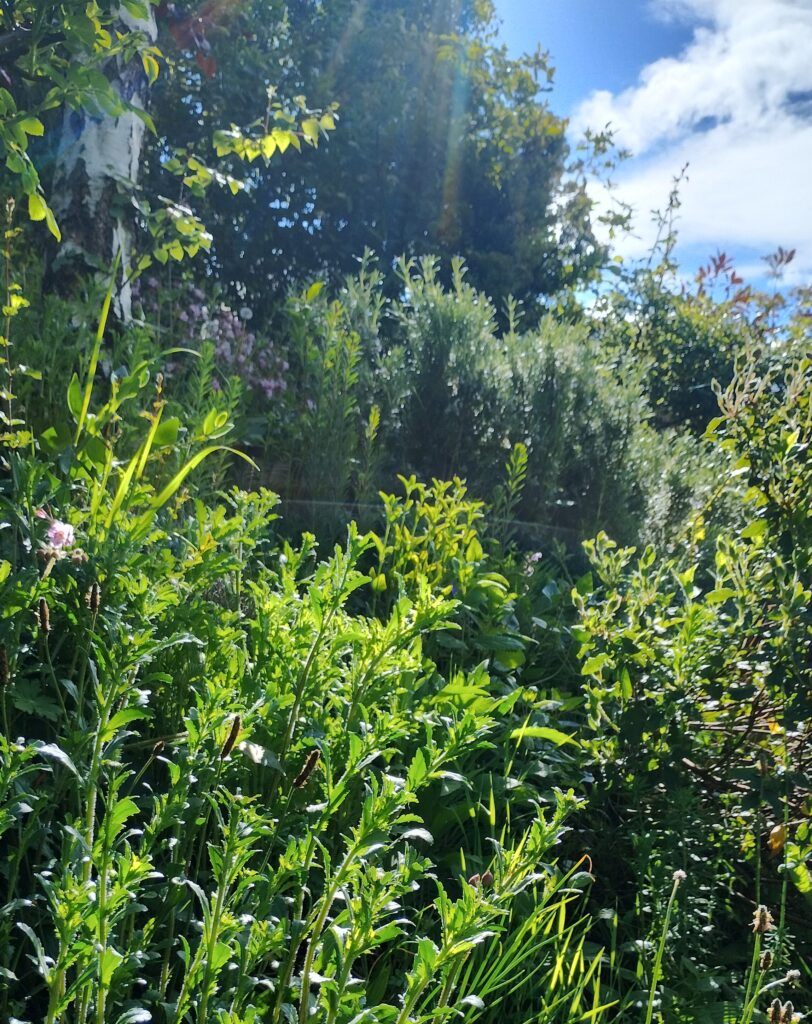
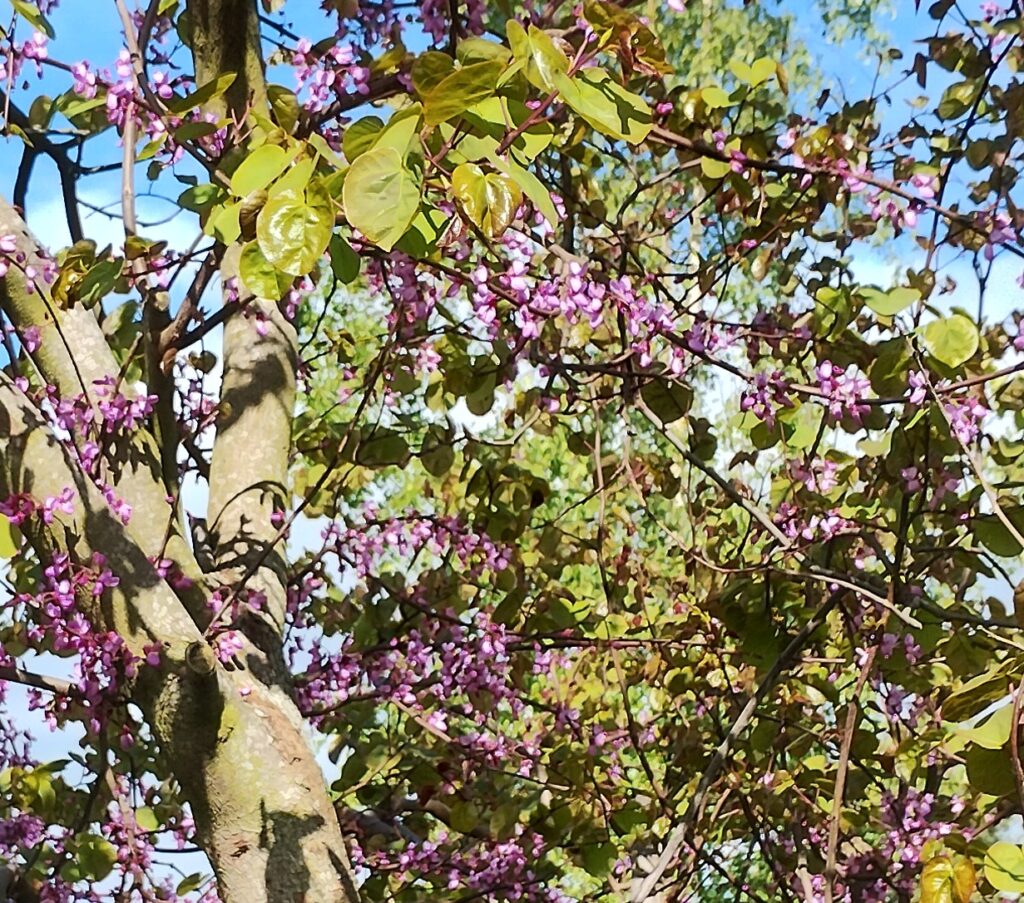
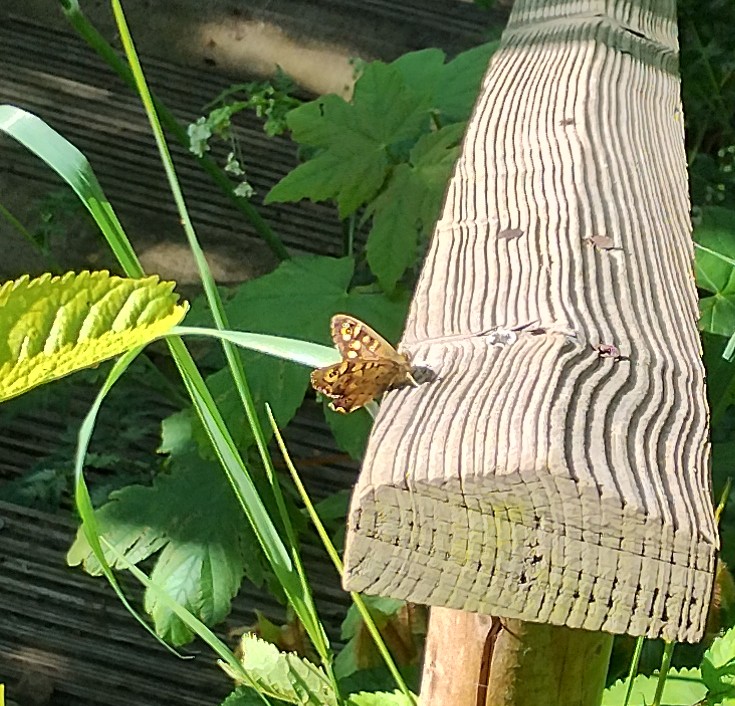
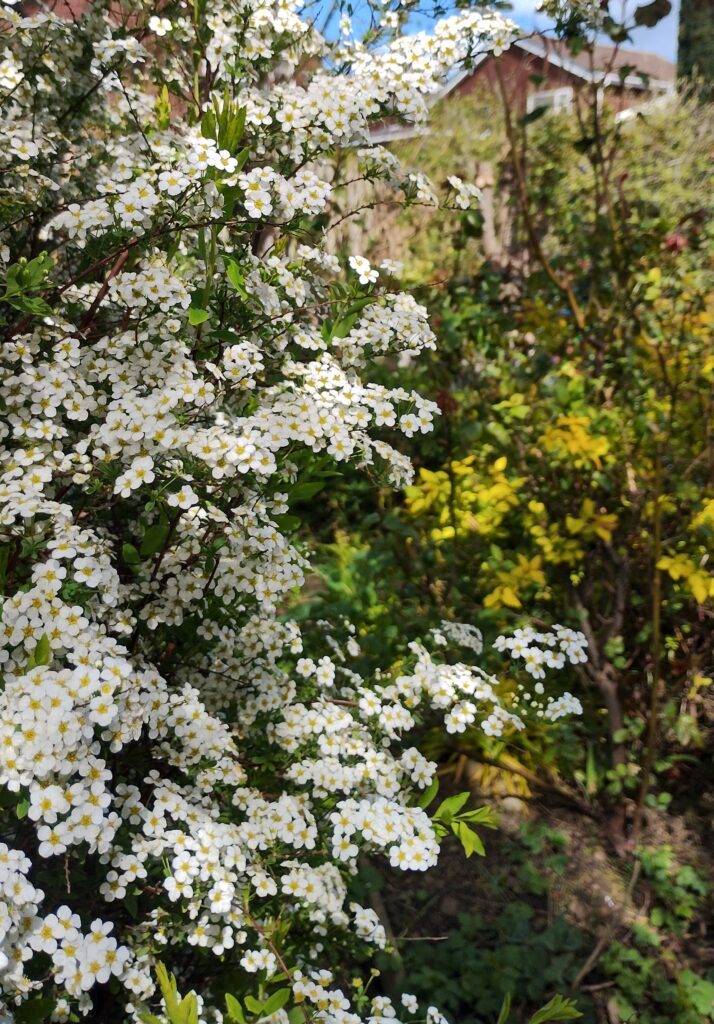
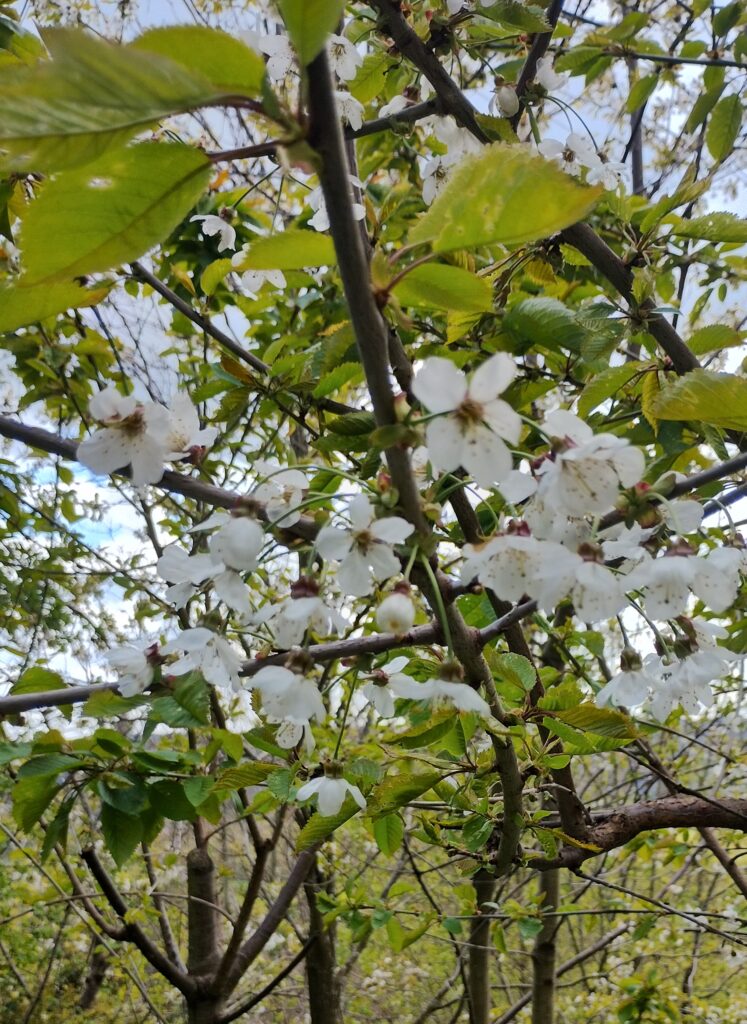
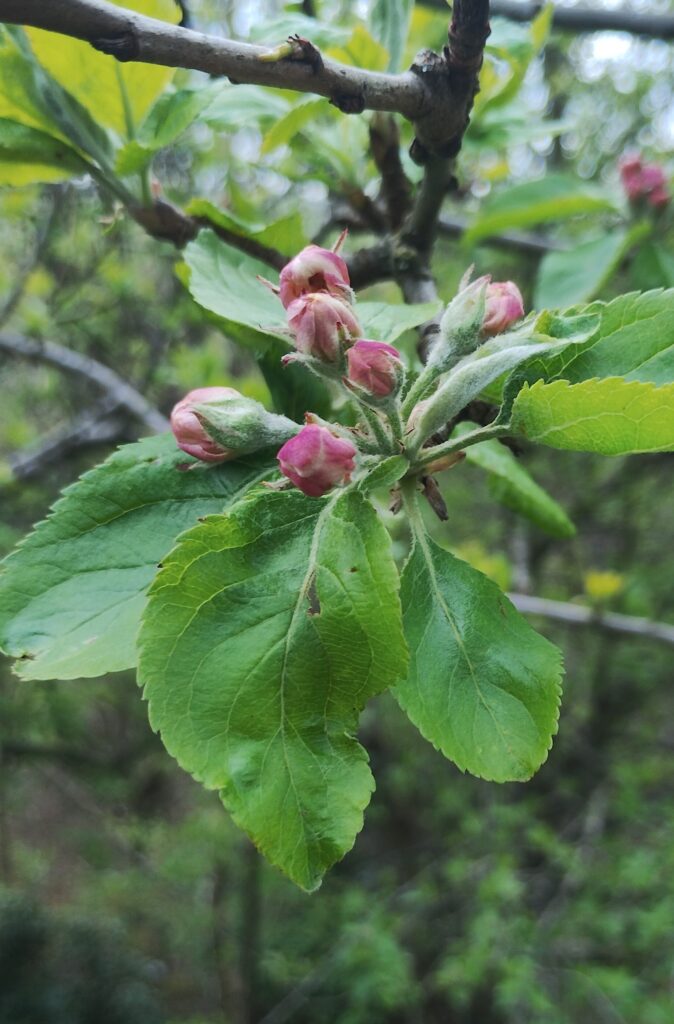
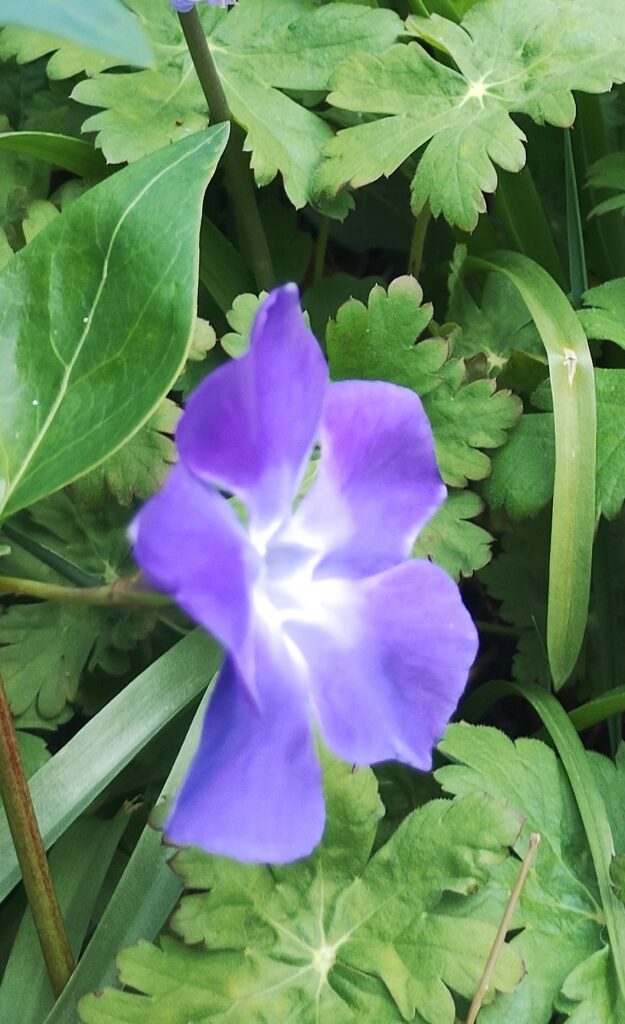
We’ve crept into May and the temperatures are swinging with the change of wind direction. Some glorious sunshine but not enough rain. Trees swapping from blossom to leaf and everything looking crisp before it all becomes too overblown.
 Valley Creations
We’ve crept into May and the temperatures are swinging with the change of wind direction. Some glorious sunshine but not enough rain. Trees swapping from blossom to leaf and everything looking crisp before it all becomes too overblown.
And anyone else’s children and grand children
I’ve just been drilling holes through several strips of corrugated roofing at a time. It is a slow and boring job. Hard on old wrists too. That is just one of the many things I now do (as a retiree) to please myself and to help other people.
It made me think about schooling, because I failed (the word they used then) to get into the more academic school that my brother ended up going to. That meant that I went to a school where I did woodwork, metalwork and pottery. All skills I have used in one way or another throughout my life. We also did technical drawing, like an architect or someone designing a machine would use. I was absolutely awful at that and still am.
What I’m writing is not about how useful practical skills are but about how early failure, or failure at some things, does not define you or hopefully limit your chances.
When it came to the exams at age 16, I didn’t do well at those either. I aced maths but not others that I was supposed to be good at and failed several of the nine I was put in for. I didn’t care much because I’d decided to try Art School. It seemed better for me than the hair dressing option anyway.
At school I had been kind of adopted by people for whom art was a normal part of life but when I got to Art School, I realised just how little I knew about it. I also came across my first ‘posh’ people, with different sorts of names, different schooling and assumptions about life that were alien to me. Not everyone of course, but it was an eye opener. I also realised that I could not imagine how I would make a living from art, other than as a teacher and I was still off teachers. Oh well try again.
At Technical College I met again with others from my school who hadn’t flown through it acing everything either. I still couldn’t decide what to do but at least the sandwich course I did gave me work experience beyond stacking shelves and other bits and pieces I’d done for years. The result was that I didn’t ace things again, despite it becoming even more obvious that I could have done better if I’d tried. I was also socially awkward and embarrassed (though I think I hid it well) and often went along with things like heavy drinking that didn’t help anything.
The tale goes on but there is no point here in listing my series of failures to live up to expectations. I never found a course or job that completely felt like what I wanted to do. But I’ve had jobs all my life that keep me going. Indeed I have earned a good living without sacri89ficing my moral sense of public duty. I slowly realised that I could make things better for everyone by using my skills and also that I could explain things clearly to people. I discovered that sticking at things was easier than I thought. I’ve always tried to keep on doing other things that help make me happy too. I ended up with quite a long list of varied qualifications without ever stopping paid work. I even ended up teaching in a University alongside doing non academic work.
I hope you can find a way through all the ups and downs too. Love from a grandad.
Ruth just introduced me to the idea for the need for the Friction given by human interaction and debate for keeping our brains active and developing. Aside from dismissing it as the next fad in brain training circles and Ruth’s understandable need to remind me of of reclusive tendencies, I realised that it gelled with earlier things I have written and said. When calculators started to become compulsory for schooling I saw that students started to trust them too much. They didn’t have the general estimating ability to see that their answer was way too small or large. My own struggles with mental arithmetic have at least schooled me in checking those problems of scale. Those struggles are one form of stimulative friction. I started giving lessons in estimating to counter the calculator tendency.
The huge rise in the trust in AI, at the same time as the rise in doom stories, is another calculator moment. We need to find ways of helping people to see through the mist of AI to recognise what is trustworthy and what is not.
I’ll be mulling over that from now on.
My last AI briefing was https://valleycreations.me/wp-admin/post.php?post=5083&action=edit
13/04/26 Pleasant weather after a cold start. Ruth, Simon and I all pottering. Some sluggish bees about and everything changing fast. Between us we created a log pile from the defunct arch, mended a boundary fence, potted seedlings trimmed back a willow arch, cleared beds of weeds and mulched more tender plants, Cleared the debris from an earlier pond clearance and put it in the dead hedge…….
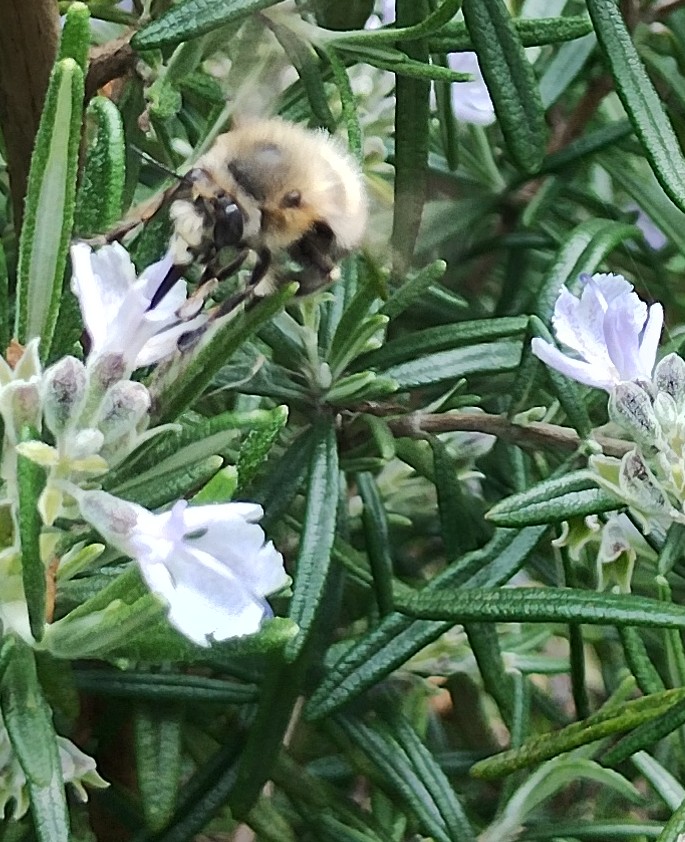
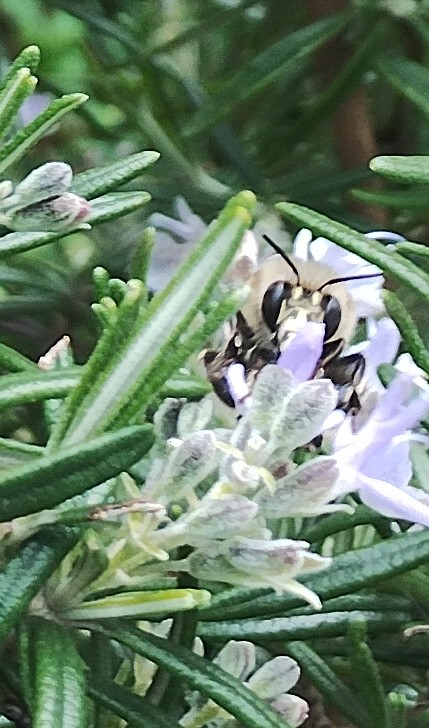
It is nearly 20 years since I moved into this house and there were old, unused, nest boxes here then. Those were put up by Ruth who arrived here 10 years earlier. Despite that we’ve put up several since. One was hidden in a conifer about 20m away from where I film with an old Fairphone 3 but just about visible from that angle. Then wood pigeons nested and played trampolines on one of the branches and the following winter snows made a big gap in that part of the conifer.
Still no sign of activity, other than a quick investigation. Suddenly from another room, I spotted a bird going in, so rushed up and set things up. Over several days there have now been multiple sightings. Hurrah.
The first video is the best so far. The second just illustrates the effect of a change of wind direction on temperatures and thus insect activity in early April.
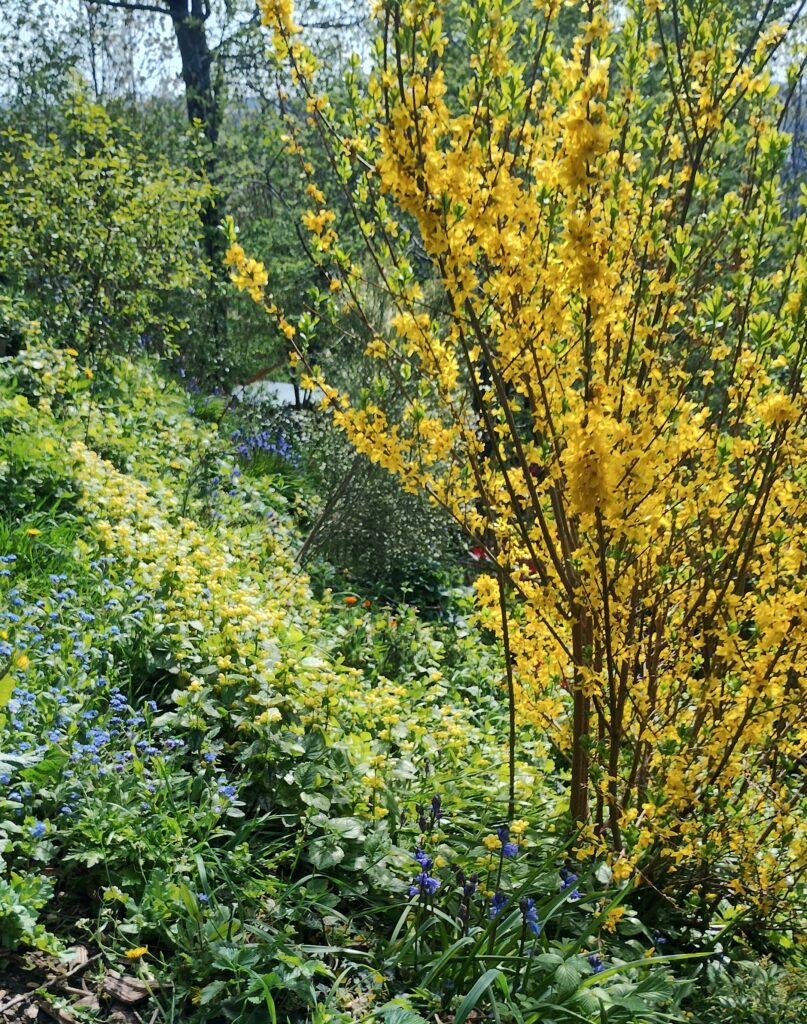
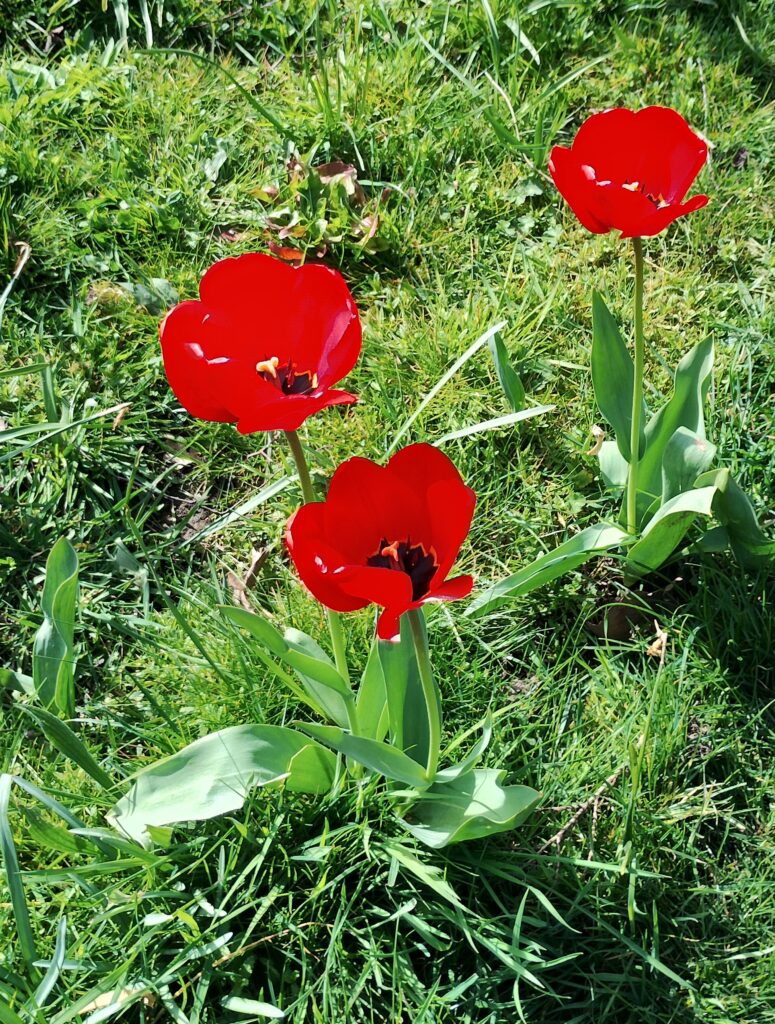
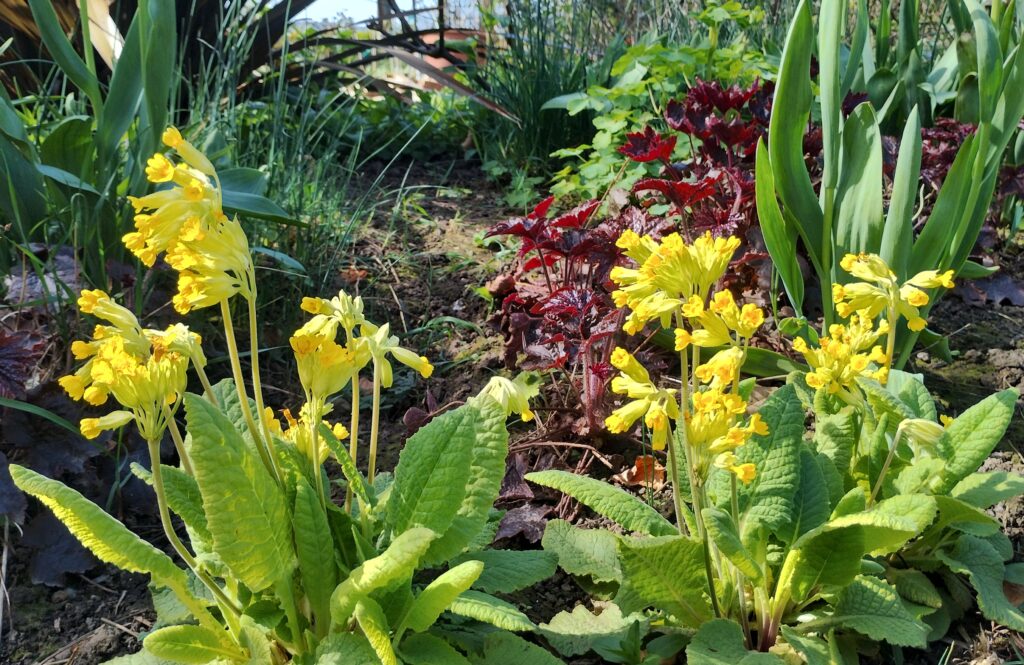
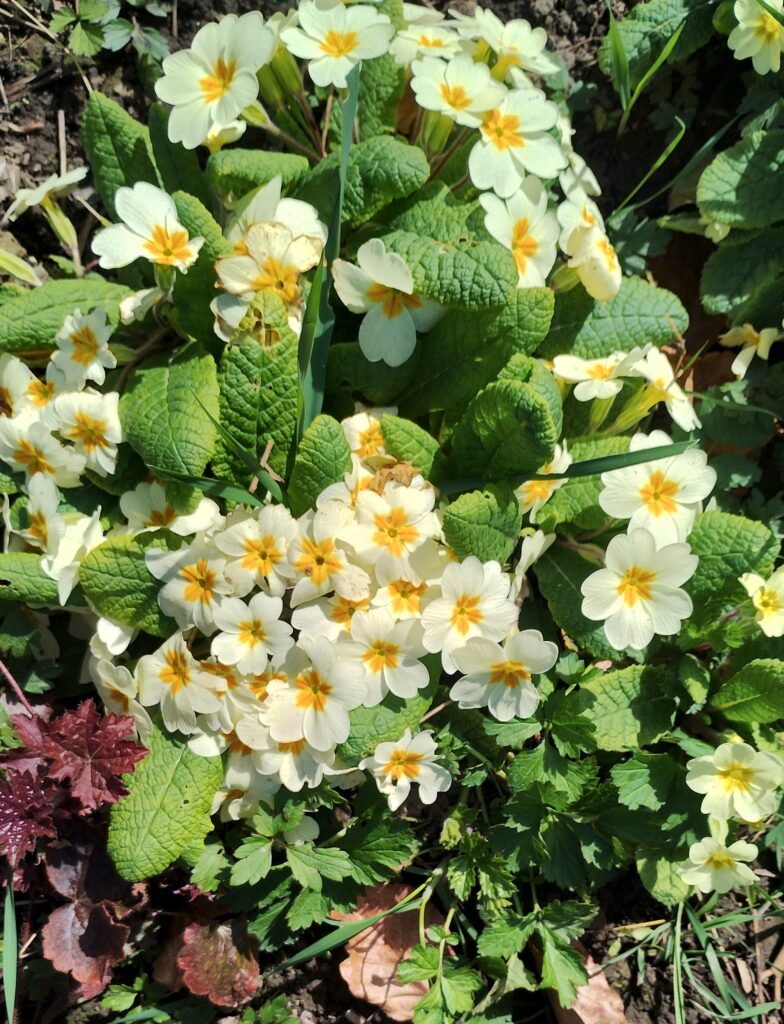
It has turned from reasonably cool to excessively warm and back to cool again in a week. Today has been warm in the sun. After finishing the arch replacement a well deserved ramble to take in the garden’s other pleasures.
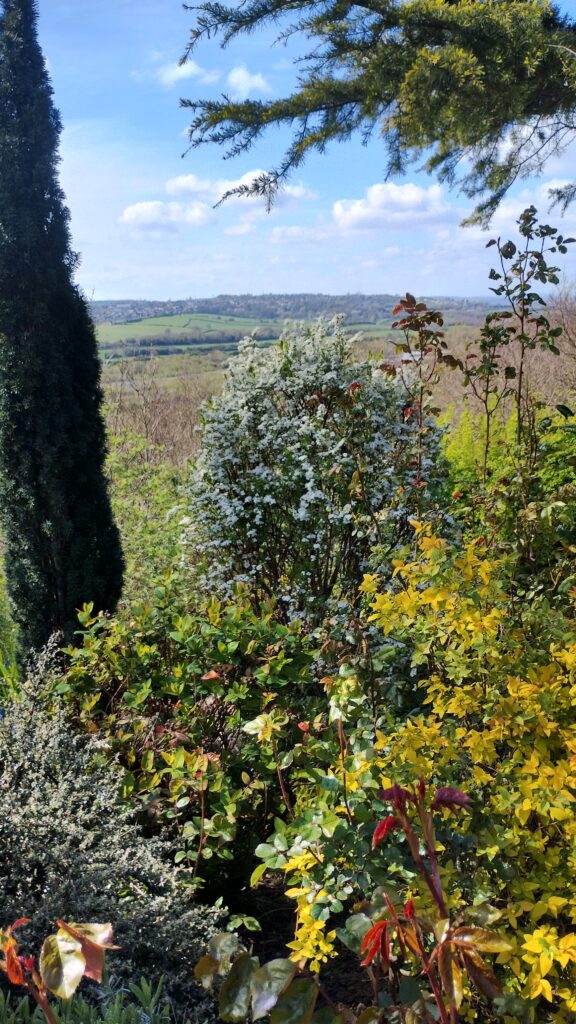
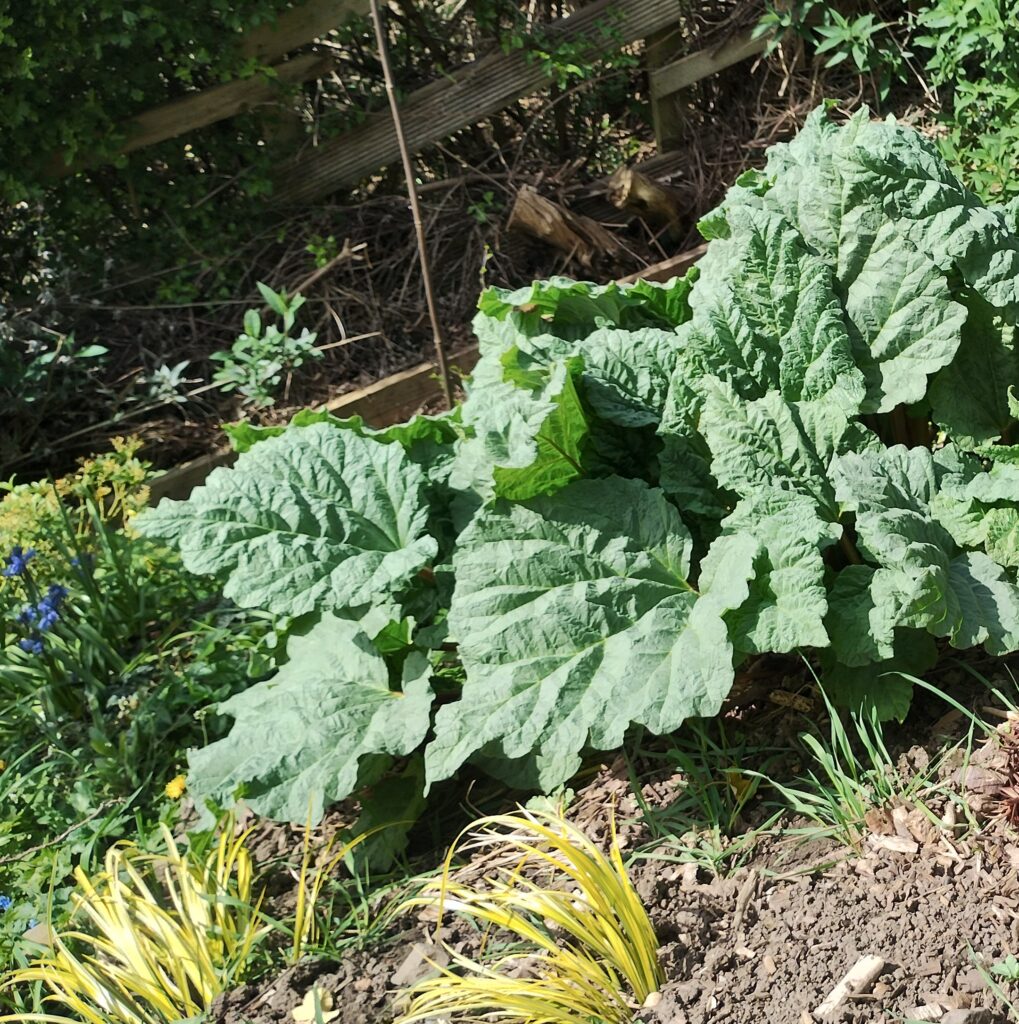
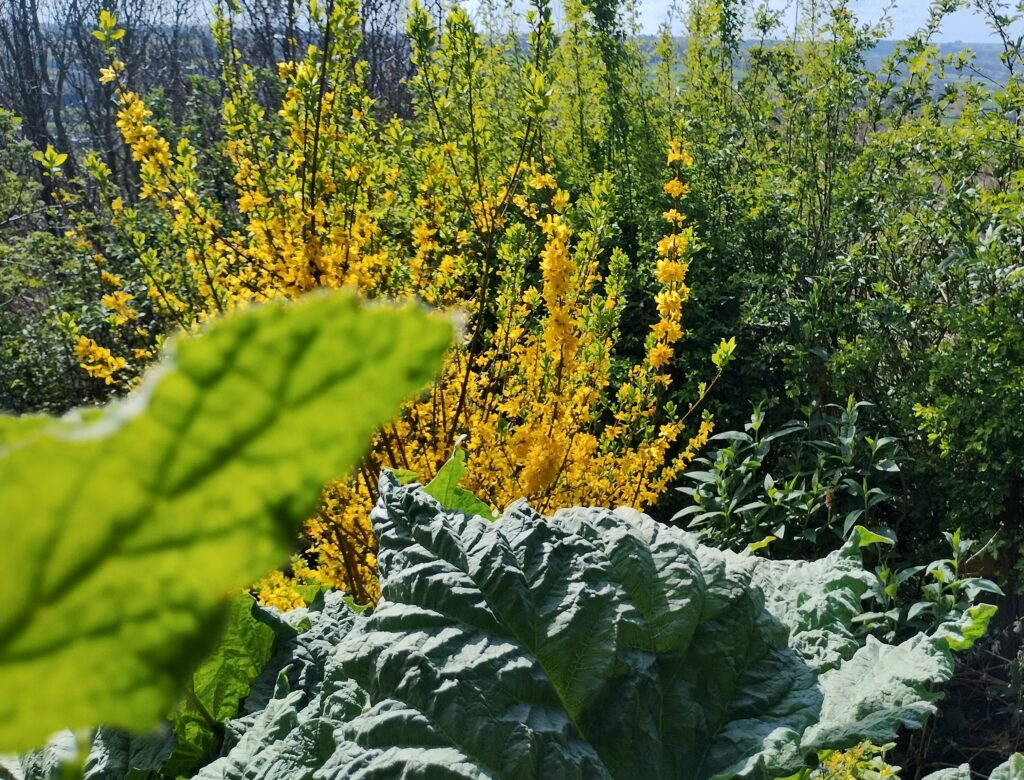
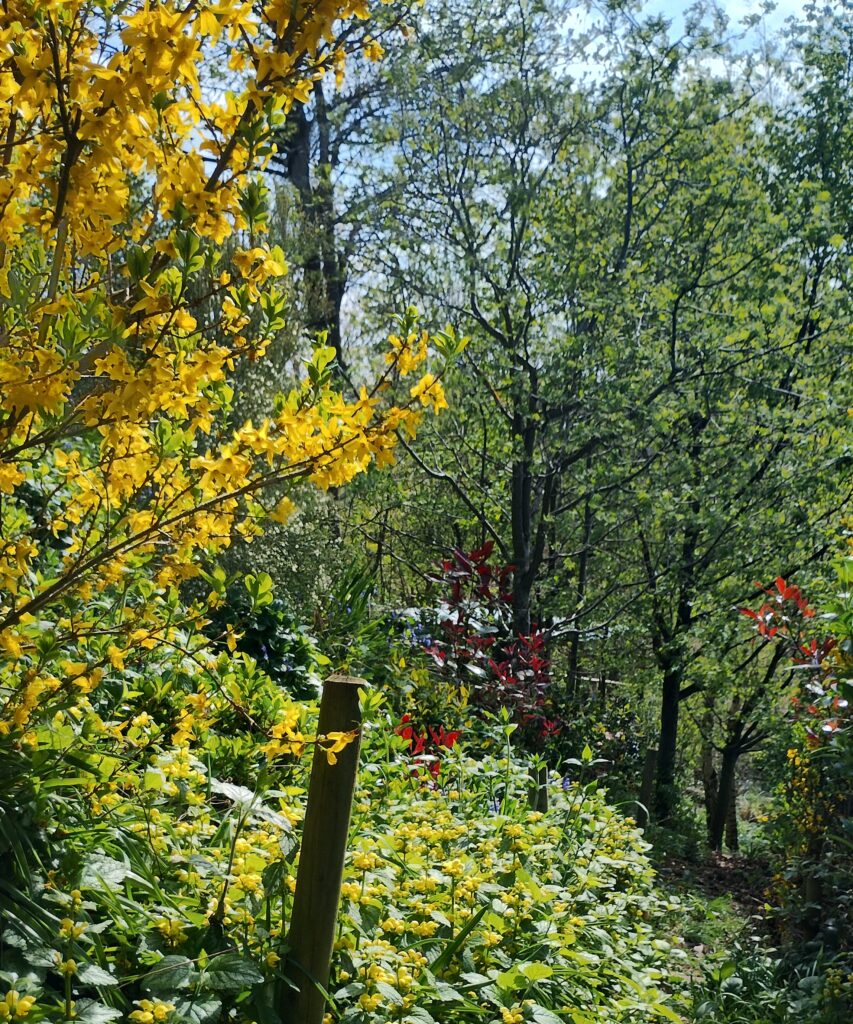
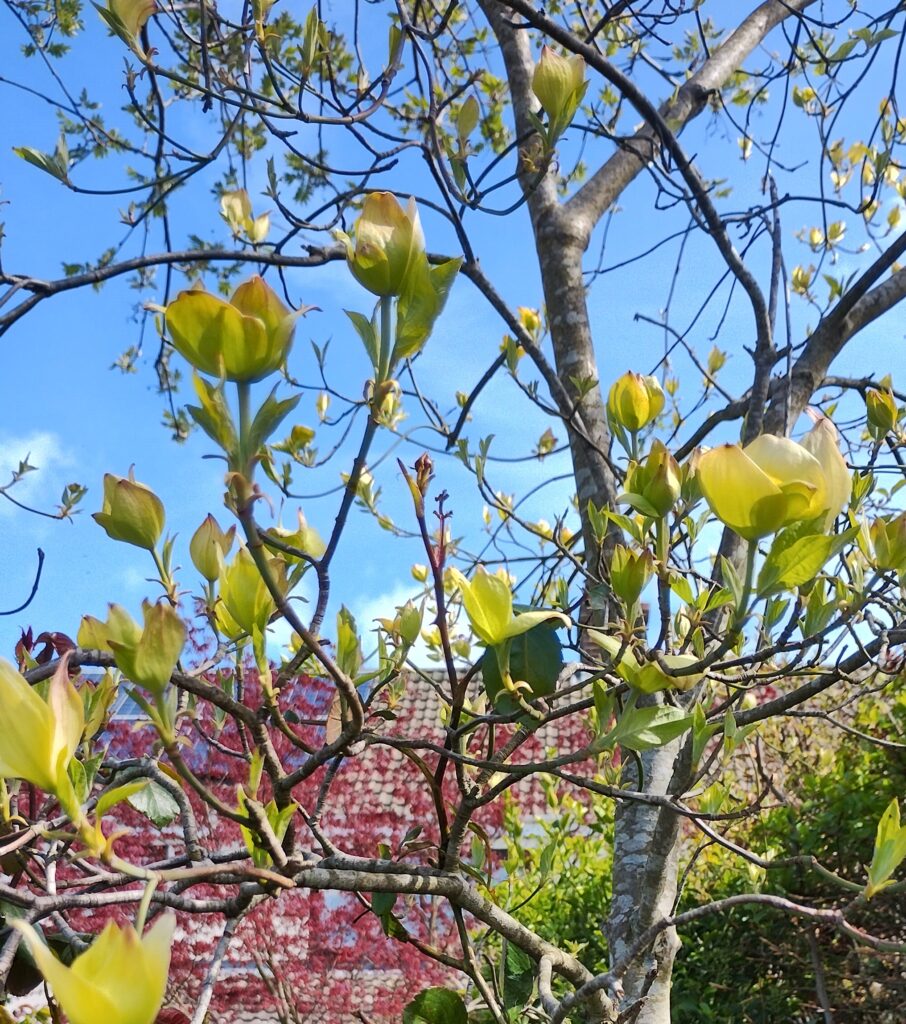
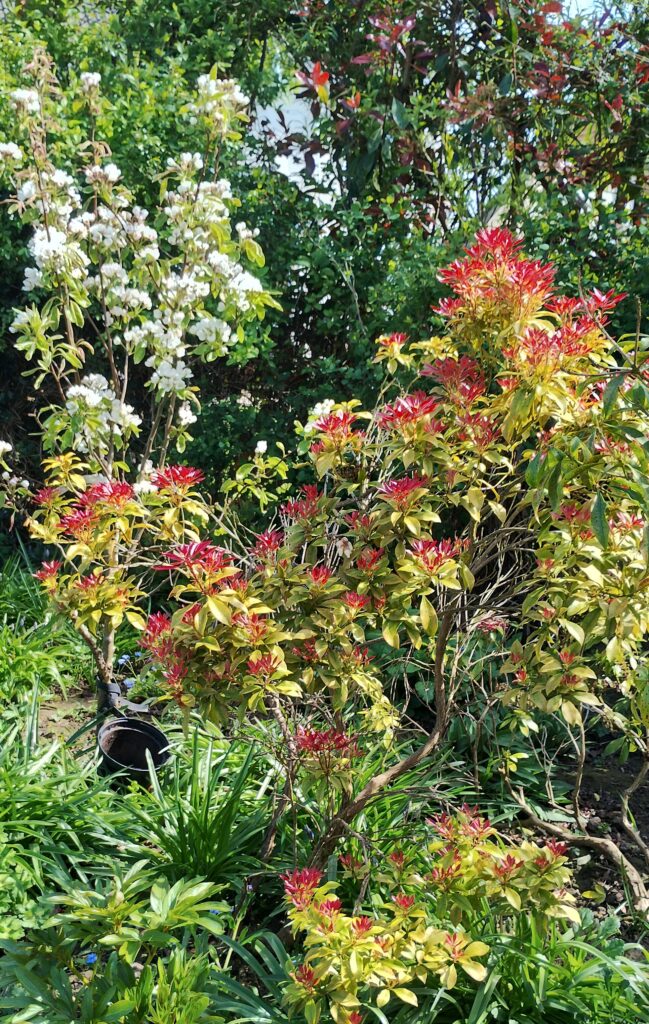
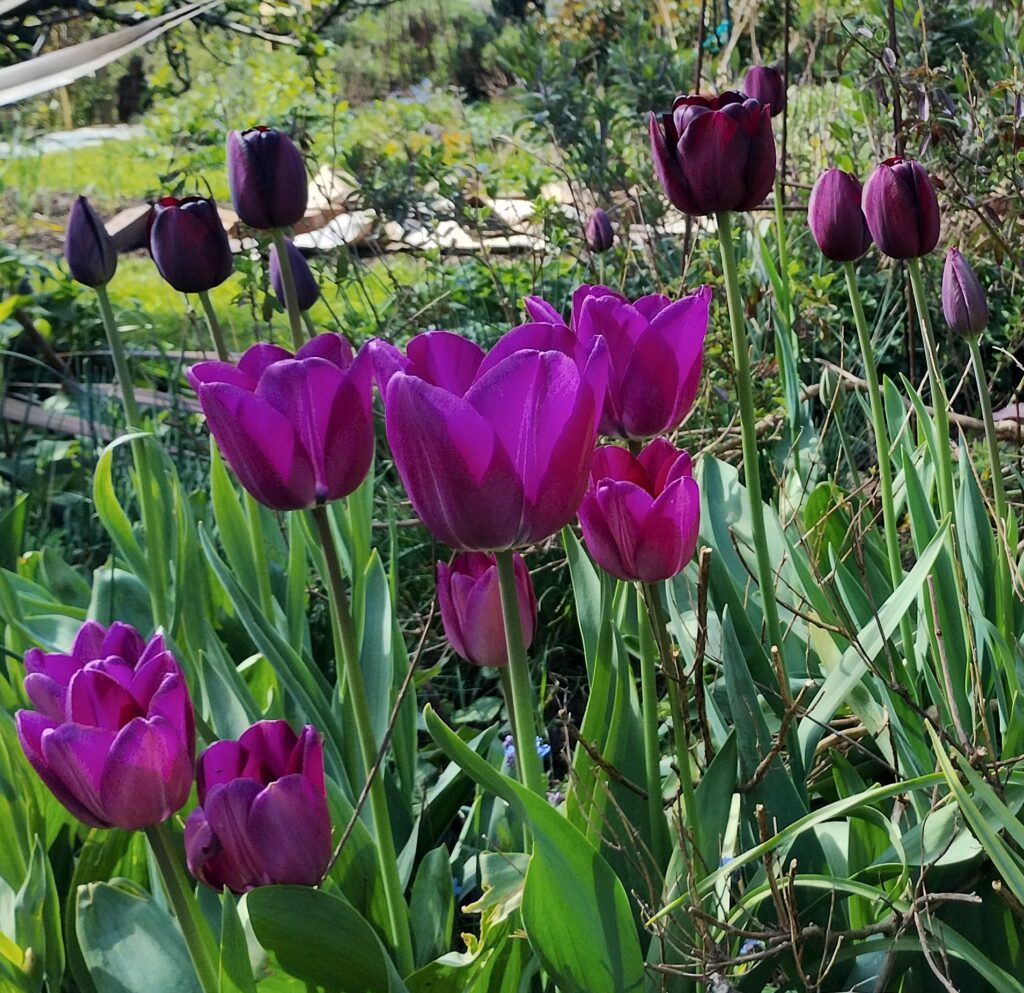
Hubris, vanity, ego, whatever you want to call it we are full of it. I certainly have it but try to keep it under control. Weirdly, I came up with the idea for this bit of writing after being irritated by an TV program on cave art. What art is and its role in life is little side interest of mine, and early art is part of that.
The program was about the wonderful and varied cave art at Chauvet. As usual I couldn’t help noticing when the admirable experts and program makers put across messages that were slightly more open to question. We all do that too, making sweeping statements to convey our message more impressively. I went researching and a series of things I came across gelled into something I thought worth saying.
Let’s start with the art. Art is built into all of us. If you make clothing, personal decoration or decor choices that is a form of art. Current research suggest that people have been making art for around 70,000 years. That is not just us, the badly named Homo Sapiens, but also Denisovans and Neanderthals
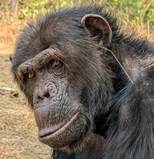
Art is a form of communication. It is also about display, attraction, entertainment and showing off. Animals of all sorts select objects to show off, make structures to attract, do dances and carry out mimicry to attract interest, sing to draw attention and to ward it off and a whole range of other things of the sorts that underpin all art.
You can discuss forever what makes good art, what conveys more meaning, what is more moral, what is prettier and so on, but it is all art. Likes and dislikes are personal. I really dislike Faberge eggs. I admire skill but there is much in the world that I think of as fashionable rather than admirable and I don’t like fashions and fads in general. Give me a good cave painting any day.

In the Chauvet caves there are a full range of marks and techniques. These seem to start at the front end to the cave, with simpler marks, generally in red ochre pigment and range to further back, generally in charcoal and with more sophisticated representational elements, such as lions and bison.
I have to be careful here of that word ‘representational’. It is a word that people load with hidden meanings of superiority in one way or another. People can dismiss abstract art because they ‘can’t see what it is’ or others can equally dismiss art because they (or more often others) can see what it is and therefore ‘it lacks sophistication’.
In Chauvet the work at the front consists mainly of patterns of marks and sprayed hand prints. These are almost certainly earlier and perhaps show less sophistication of technique. The important word here is ‘technique’. Some can be born with a more natural grasp of technique but all can use practice to develop technique. In addition we can also learn technique from others. Human species are not alone in possessing this range of technique development skills.
Finally we come to the question of who did the cave art. I’m not going to speculate on Chauvet because I don’t know. Looking around statements that people make about cave art and relating it to evidence we have about our own development, highlights the hubris contained in those statements, as mentioned in the title here.
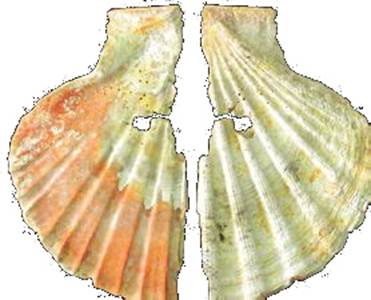
There is suggestive evidence that we lived in the same timescales as Neanderthals and Denisovans for a very long time and that we almost certainly shared locales with them at the same time. Ancient DNA evidence is hard to find but what there is indicates that we share DNA with Neanderthals. How much sexual activity there was we can only speculate on. It is not impossible that the same is true of other hominids. Their development is not completely clear and classification of them is based on the usual, often tenuous, observation of characteristics that we think can be useful in grouping things together or separating them. Taking those classifications and using them to speculate about behaviours, meanings and who did what can sometimes lead to a narrowing of views and options.
What I’ve written so far hides the thorny question of spirituality, which is often attached to discussions of art, archeology and many other things. Elsewhere I have speculated about dogs sometimes going round in circles before lying down. How do they decide when it feels right to stop the circling? ‘Feeling right’ is not really defined by argued logic. That doesn’t make it superior to argued logic. It can’t be explained in a rational way. Sprituality is just one shade of that internal feeling of right or wrong. We need to recognise that what feels right or wrong is fundamental to our existence and therefore needs respect alongside logic and reasoning. As far I can tell philosophical attempts to define right and wrong have always failed to come up with a consistent way of explaining it.
So we are complicated and we are all different mixes of complicated. There is no foolproof way of defining or describing what we do. I suspect the best art contains elements of every aspect of our personalities. It is personal but we can also discuss aspects like the number of layers of meaning in a particular set of work and how well it communicates both layers of meaning and feeling accurately to the rest of us.
Neanderthals definitely made art as I have defined it here. Over time our ancestors developed and passed on all sorts of new ways to make art. I don’t think attempts to judge the sophistication of what our predecessors produced have much value. Trying to use such judgements to artificially categorise and separate us from some predecessor is not very useful. It is the equivalent of colonial assumptions about superiority.

Whether layers of meaning and spirituality have increased alongside the development of technique is another matter. Though I don’t believe in vague ideas of spirituality as something outside of us, I think there is often more value in the work in Chauvet and similar examples, on nearly all levels, than there is the Arnolfini Portrait, which was in one of my first art love affairs. I also think that the questions behind what I’ve set out are a good way of thinking about art: Does it make me smile, Does it uplift or move me, does it give me a message, have I learned something from it?
I hope some of the things I do make some people answer yes to some of those questions and I hope I have helped you in both enjoyment and understanding.
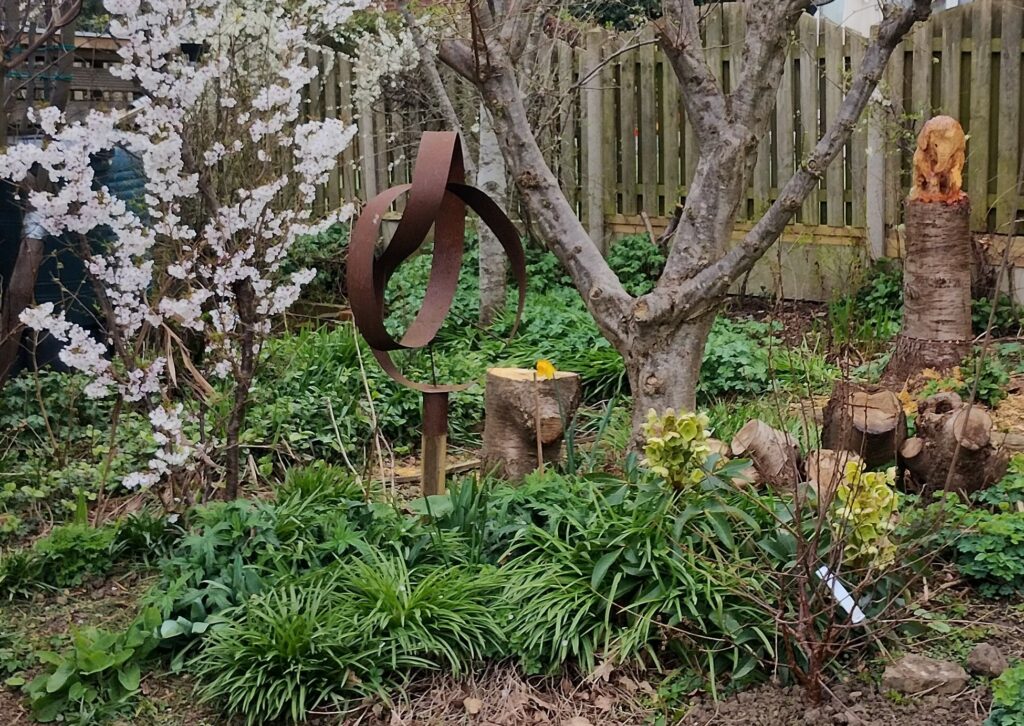
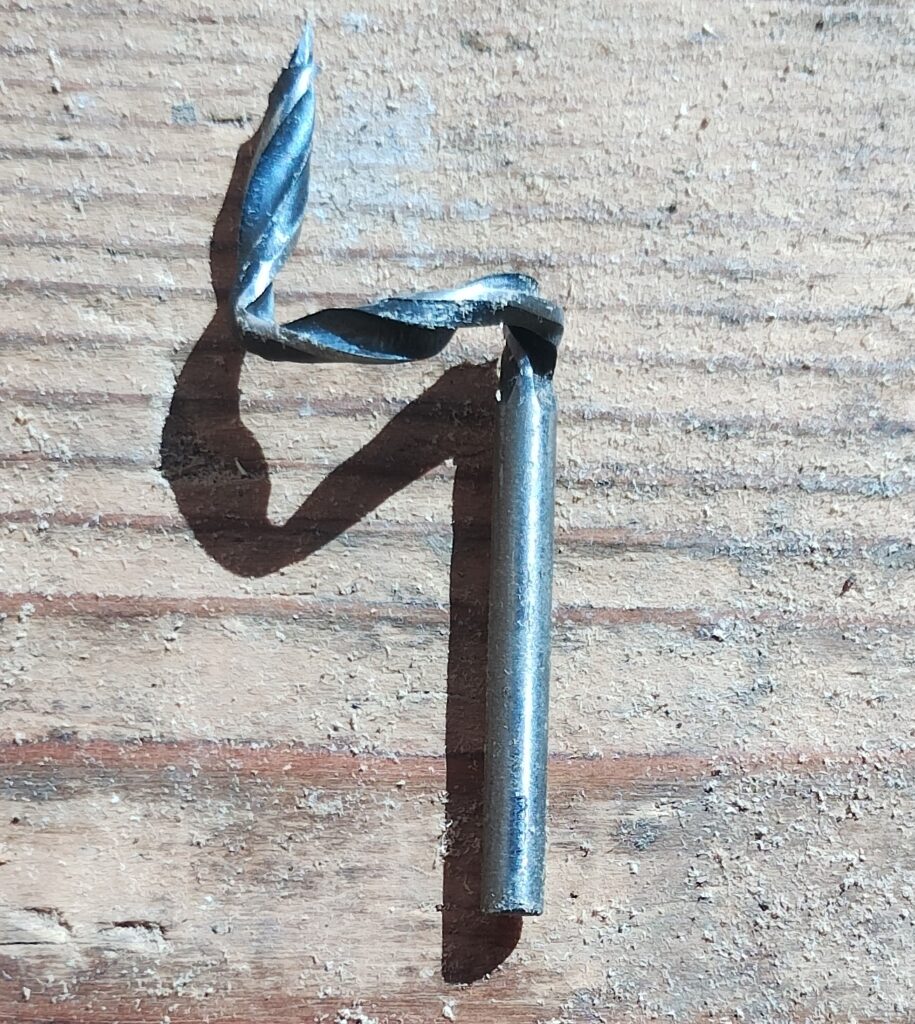
Having watched a program on solitary flower bees and having recent logs lying around, I thought we’d give making another bee intended log pile/ stumpery a try. I did manage to overheat a small drill with my usual gung-ho approach. First I had to remove all the suckers from the Hazel, then split some of the logs, then the drilling and piling
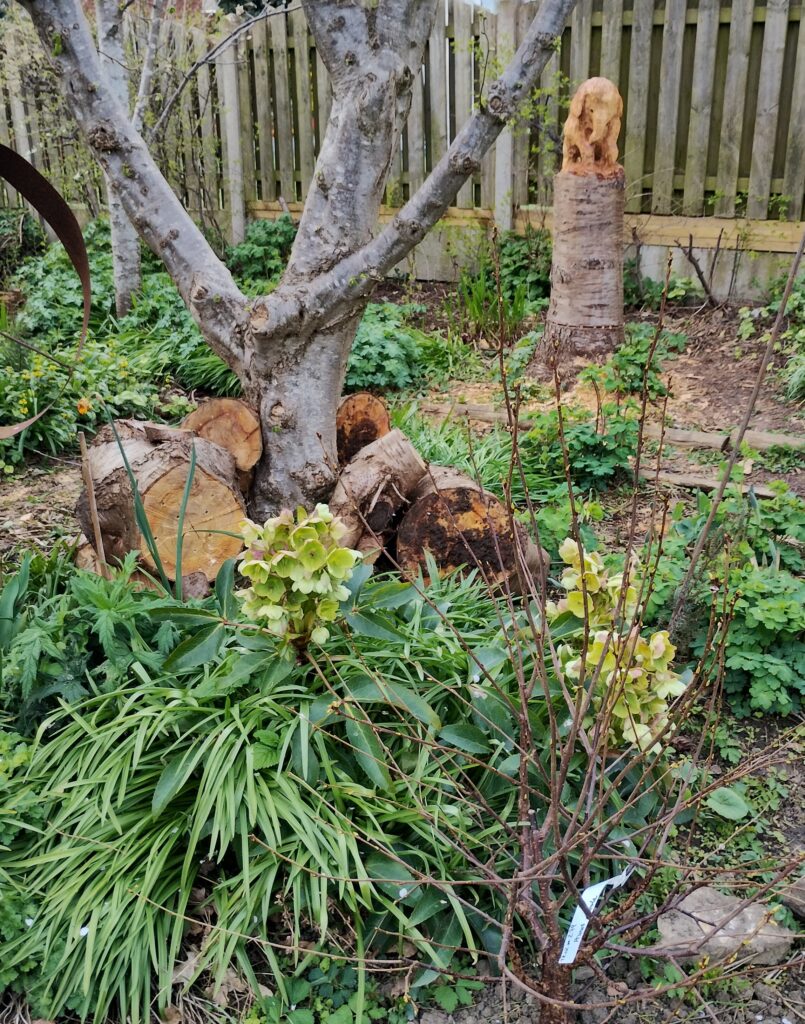
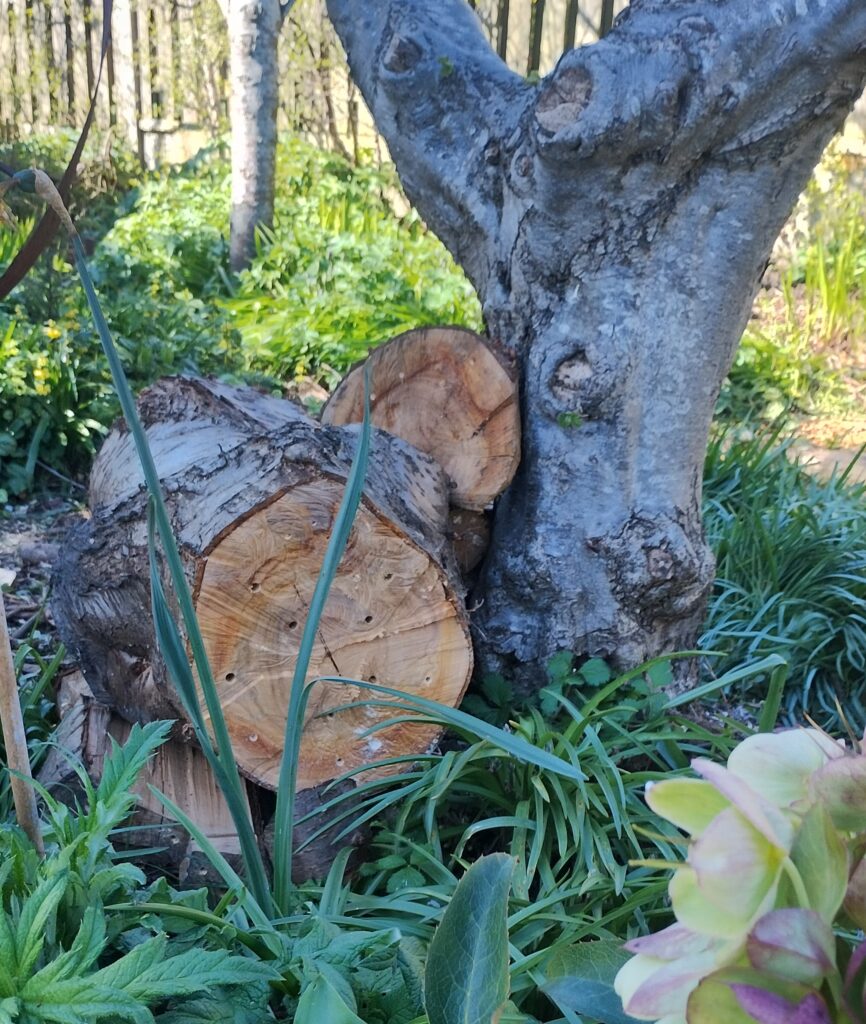
I’ve been asked to see if I can simplify and summarise an article in the Guardian about the bombing of Shajareh Tayyebeh primary school in Iran by the US military
The article is both very good and also very bad. As far as I can tell, it tells a detailed and accurate story. Sadly it is absolutely crammed with details and acronyms that are often superfluous to the message. This despite it mocking the constantly changing jargon.
One example is that it prominently refers several times to the acronym LLM without explaining it. The only real reason that LLM is at all relevant is that some commentators thought that the missiles were targeted by a Chatbot. Chatbots use Large Language Models to make sense of the conversations.
As well as cramming too much history and historic factual detail in, the article also cherry picks the detail to take aim at particular targets such as the US and Palantir. The people in those, and other, organisations may well warrant criticism but not as a way of boasting about other’s superiority.
I think the gist of the situation is that there are systems (a combination of technology and people) that provide information to inform decisions about targeting in a combat situation. There are also systems that allow greater accuracy and speed in the delivery of the actual munitions. The technology used in delivery can now be faster, more accurate and can be controlled remotely, either directly by an operator or automatically by a technological system. Some of these systems now include some AI to analyse increasingly greater amounts of data including satellite imagery, mapping and coordinate details, weather and technological capability.
The development argument is that politicians and military high-ups make faulty decisions about strategic developments, often based on ignorance and ego. Even if the actual developers show a conscience about what is proposed, they will simply be by-passed and replaced. I can tell you from personal experience that it takes a lot of resilience, mental agility and a persuasive personality to re-direct strategies in a more valuable direction. The other area of failure in the development of all technologies is that each level of people involved loses interest when it comes to the testing the system against the objectives and also re-examining the objectives to ensure they still make sense.
The usage argument is on several levels. The first is that the more capable a technology appears to be, the less attention those operating it pay to whether it is working properly. The second is that the further away that the operators are from the effects of the technology, i.e. dead bodies and destruction, then the less likely they are to question what they are doing. This distance is even greater for the original strategists and many members of the public. The main crux of the argument is that this situation is not new and people of all sorts fail to pick up the nuances of how it all works and therefore who or what is to blame.
Finally on AI, I have written elsewhere about what it can and can’t do but the main message is that you can’t rely on it in all situations. It is trying to mimic human intelligence capacities while adding much better data processing capability. Donald Trump apparently has some intelligence but, personally, I wouldn’t rely on anything he said or any decision he made.
I hope that is helpful. On a personal level such situations always remind me of the cartoon film ‘Up’. There are some scary dogs and as a pack when one of them thinks they see a squirrel, they all turn their heads in unison and growl ‘Squirrel’. The other thing about those dogs is that, like the ‘wizard’ in the Wizard of Oz, they are really also babies wanting to be cuddled and fussed.
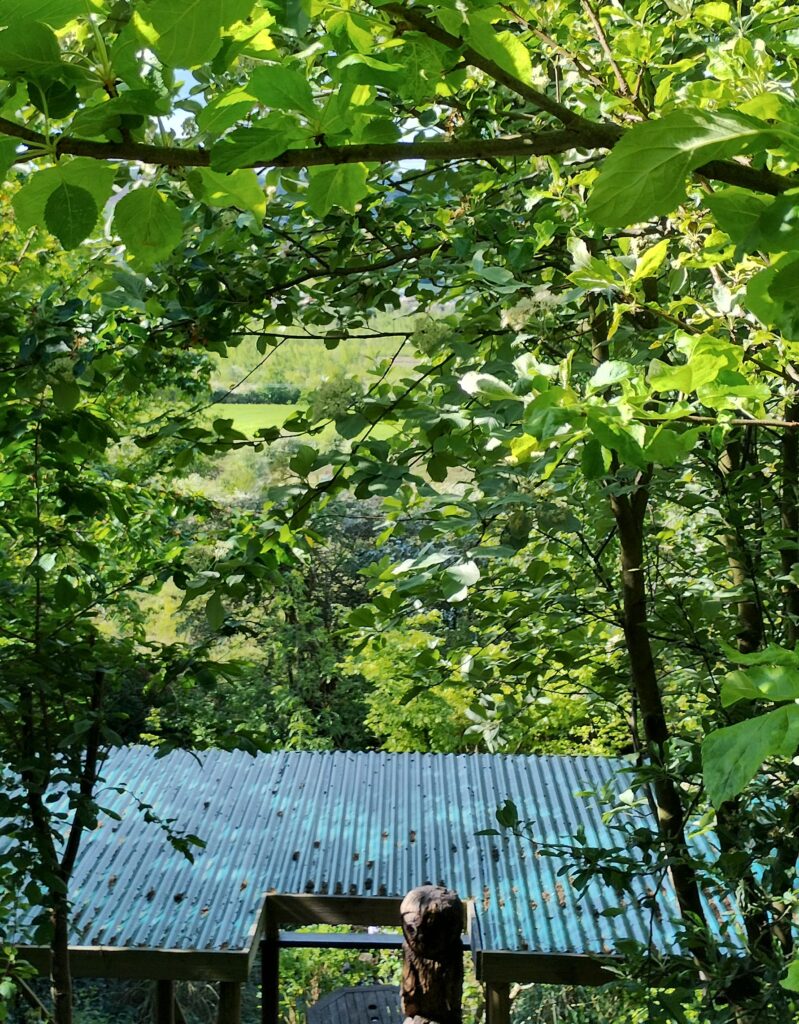
In 2015 I made an arch from pollarded Sycamore branches, to mark the begining of the main steps down the garden. I didn’t expect it to last long. A bit later I added a carved sycamore owl to it. The insects were boring holes in to it already.
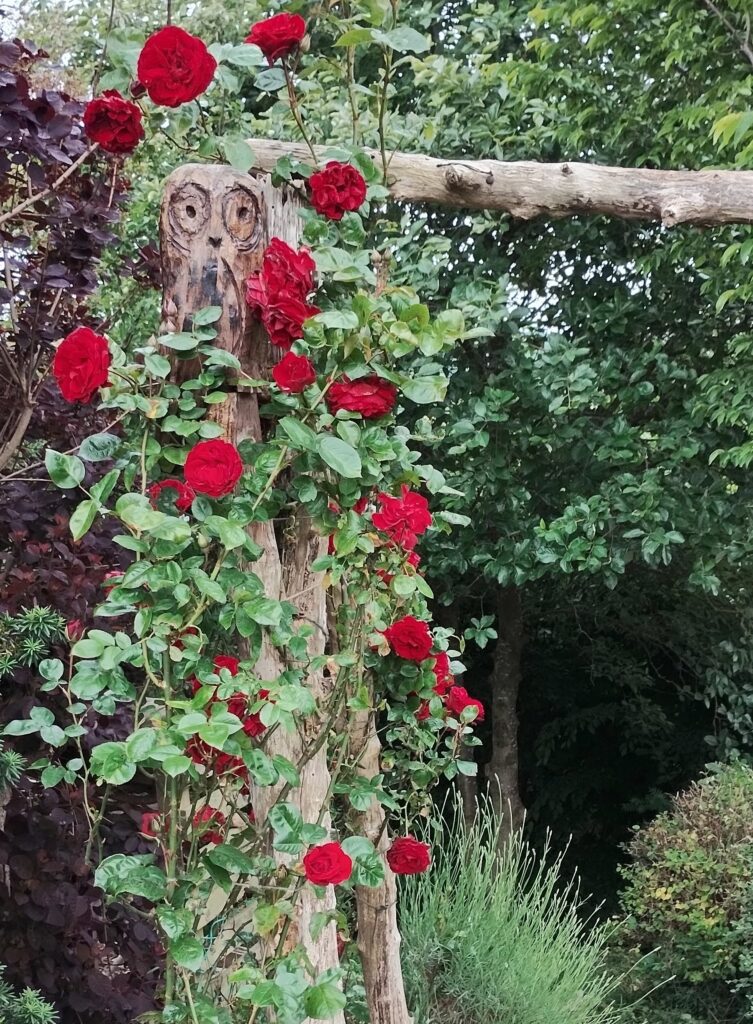
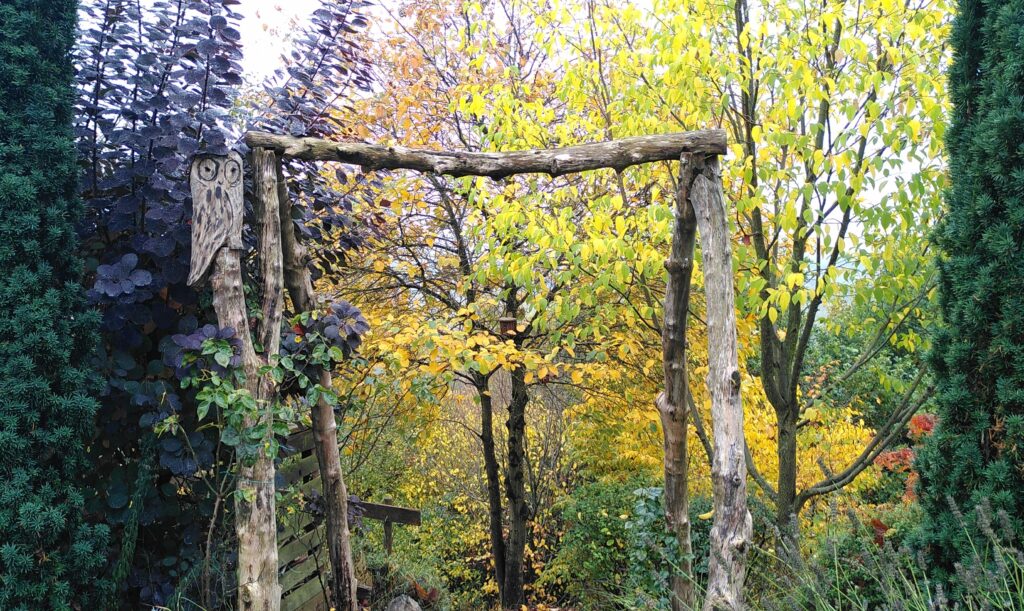
2026 and high winds have finally brought the arch down. It has done good service for wood from our own garden.
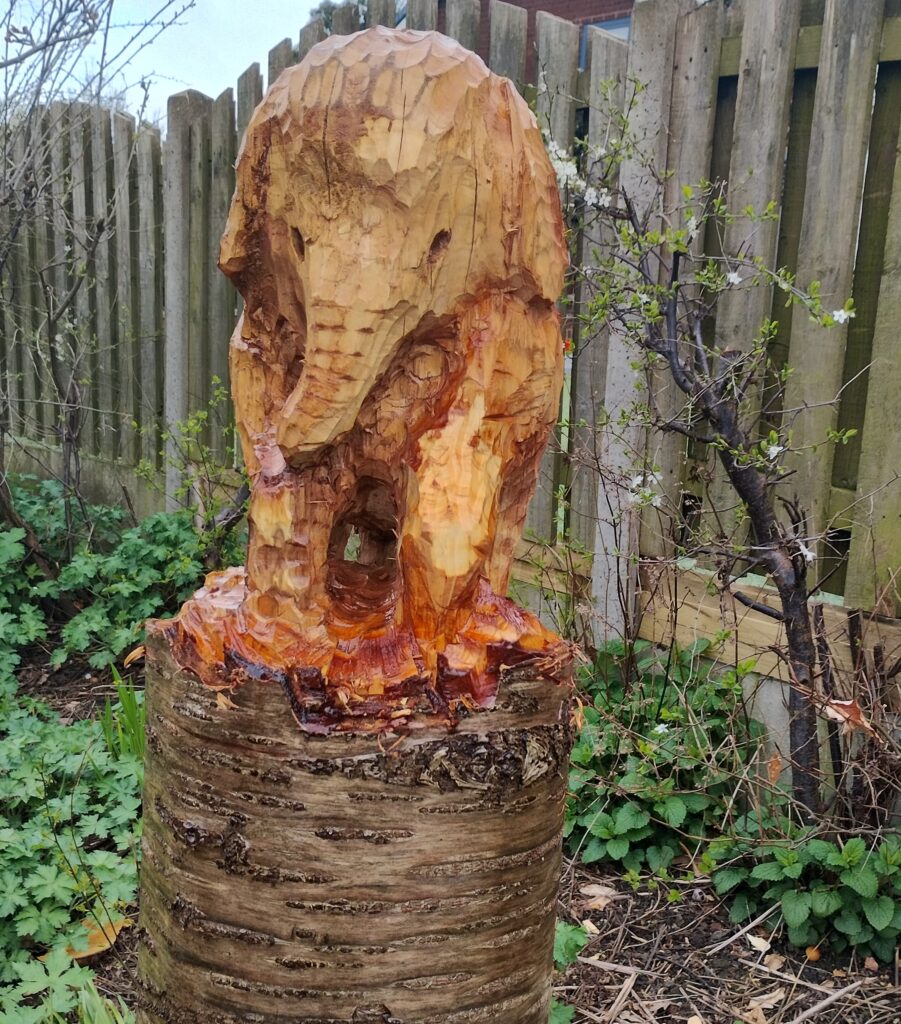
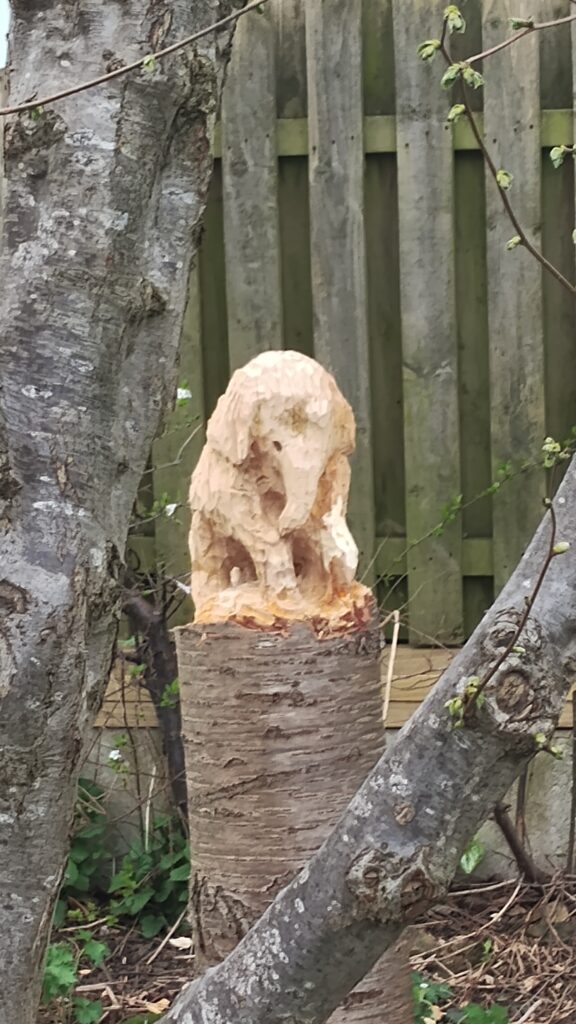
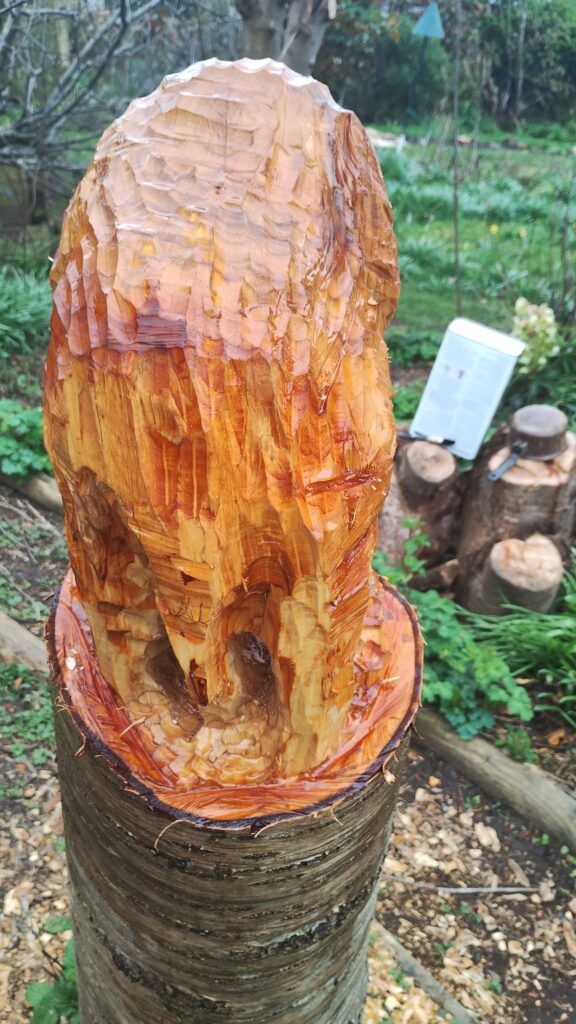
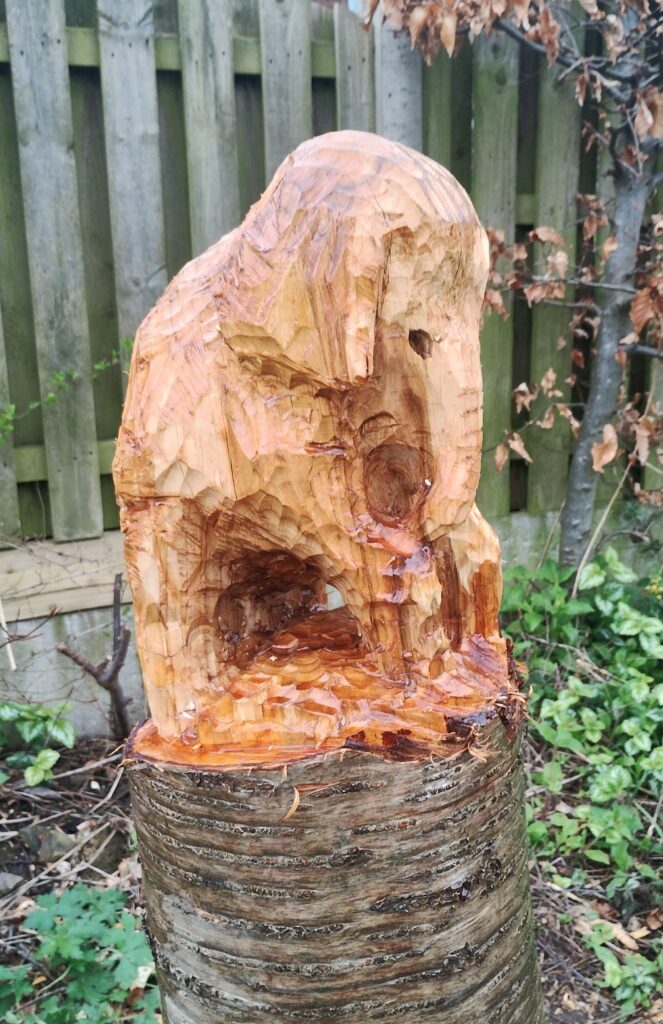
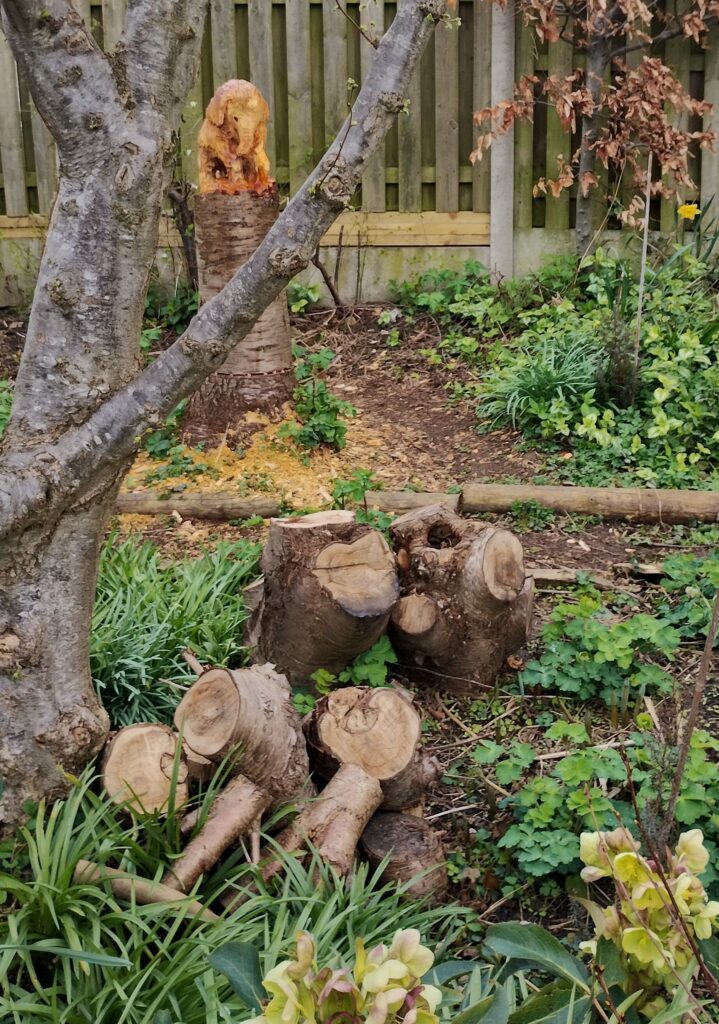
At the same time my latest sculpture project is coming along nicely. Something to smile at till the arch returns. As it is a cherry tree that had to go, carving needs to be done in stages. It is very soft and prone to split at first in parts then dries out much harder. Time to leave it for a while longer and decide how much more work to do when it has dried out more.
Update:
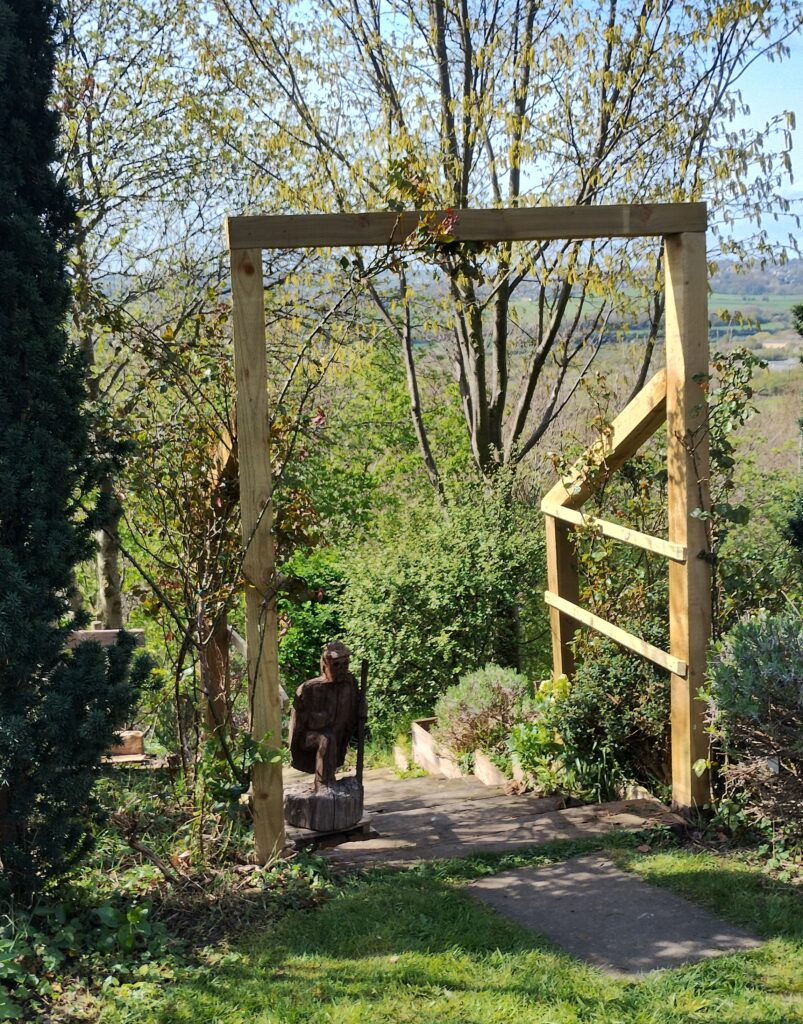
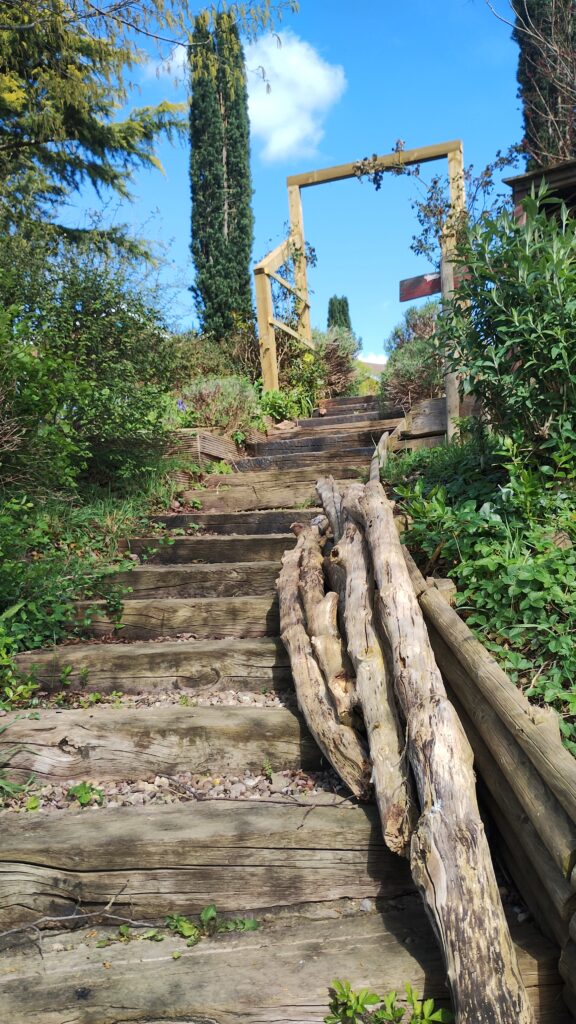
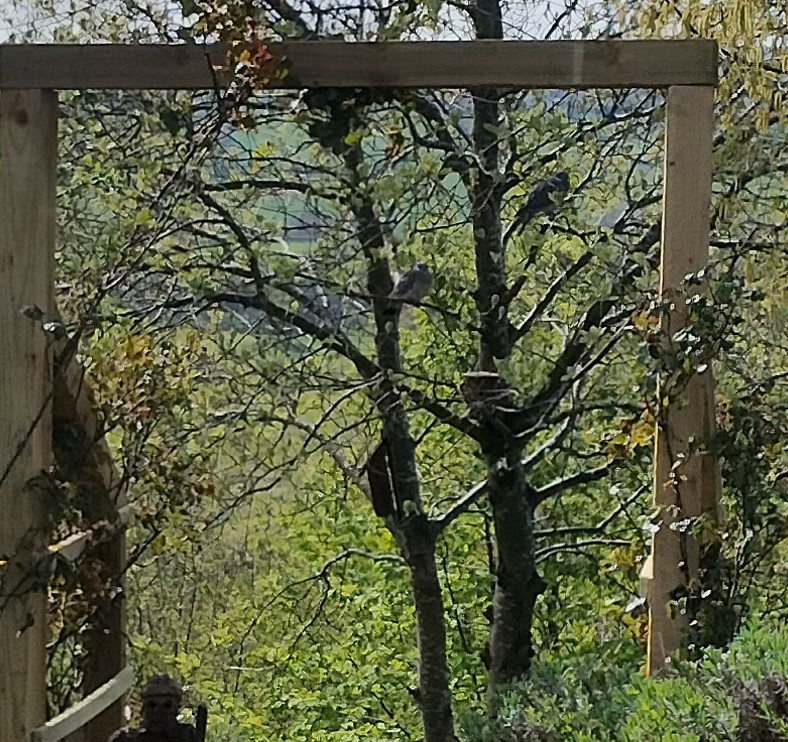
The logs have evolved into a stumpery with loads of holes drilled for bees (and one overheated drill bit casualty) and a slightly less pretty but pretty practical arch has risen up. The roses that collapsed with the old arch will come back and soften its lines. The old wood turned from nuisance sycamore tree to insect friendly arch and will now be reduced to shorter lengths and continue as a wildlife friendly zone. The two wood pigeons in the tree behind the arch fooled me into thinking they were pheasants. Masters of disguise.